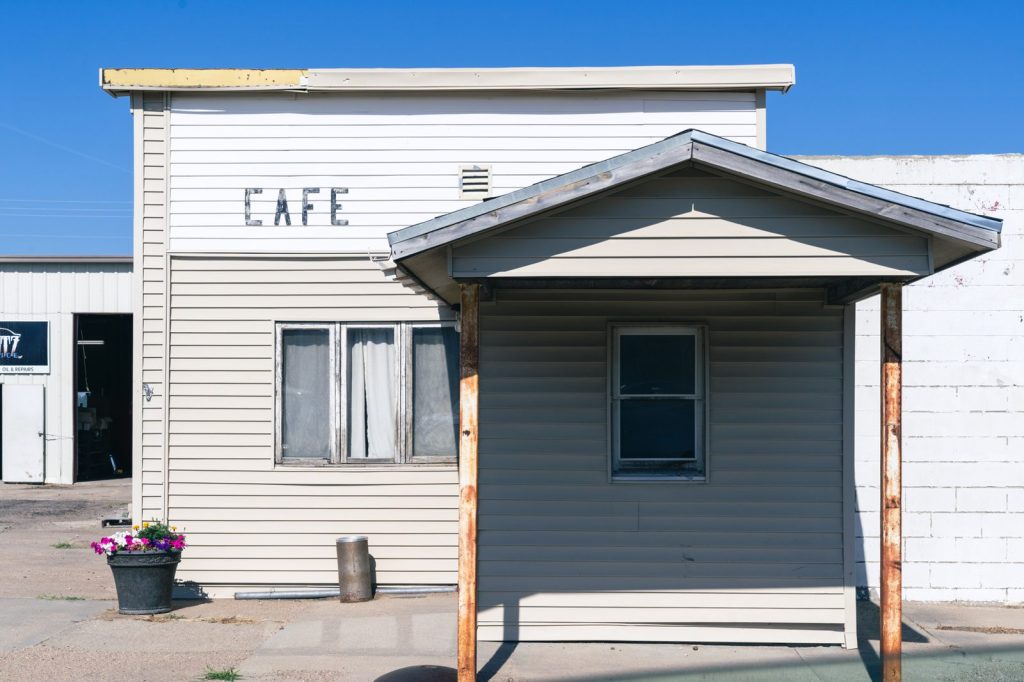
How do you open a restaurant in a small town? Start by proving there’s demand: count who lives and works nearby, list every place people already eat, and find the gap (breakfast, a sit-down dinner, a family spot, something open on Sundays). Then size the restaurant to the town. Keep the menu short, set hours around when people actually come in, take over an existing restaurant space if you can, and line up financing that fits rural businesses. Finally, make the community your marketing plan: Google reviews, local events and regulars who know you by name.
The good news: small towns often have less competition, lower rent and a built-in group of people who want a new place to eat. The catch is that your customer pool is smaller, so the planning has to be tighter. This guide walks you through each step, with the questions to answer before you sign a lease. Rules for permits and food safety vary by state and county, so treat this as your roadmap and confirm details with your local health department and city or county office.

How to open a restaurant in a small town: the 9 steps
- Check the demand in your town (with free data)
- Pick your role: town staple or destination
- Size the restaurant to the town
- Build a realistic budget
- Find financing that fits a small town
- Find your space (a former restaurant is gold)
- Get your permits, licenses and insurance
- Build a short menu, set your hours and hire
- Market like a neighbor, then soft open
Here’s what each step looks like when your town has a few hundred or a few thousand people instead of a few million.
Step 1: Check the demand in your town (with free data)
In a city, you can guess and still get foot traffic. In a small town, the math is personal. If your town has 3,000 people, you need a real share of them to come back every week. So before anything else, figure out who’s actually around.
The U.S. Census Bureau’s free Census Business Builder pulls together population, income and housing data from the American Community Survey, plus business counts, payroll and sales, and consumer spending data, all mapped to your county or city. It’s the fastest way to answer “how many people live here and how many restaurants already serve them?”
Then do the boots-on-the-ground version:
- List every place people eat today. Restaurants, the gas station hot case, the school cafeteria lunch crowd, food trucks at the ballfield, the diner one town over. Write down their hours and what they serve.
- Find the gap. Is there nowhere to get breakfast after 9am? No sit-down dinner on a Monday? Nowhere to take the family after Friday night football? Your gap is your concept.
- Count who passes through. Highway traffic, a factory shift change, a hospital, a school, hunters or summer tourists. People who work in town but live elsewhere are customers too.
- Ask people. Post in the town Facebook group, talk to the chamber of commerce, and ask the folks at the hardware store. Small towns will tell you exactly what they’re missing.
Step 2: Pick your role: town staple or destination
Most small-town restaurants win one of two ways. UpMenu’s small-town restaurant guide frames it as frequency versus distance:
- The town staple: the place locals visit several times a week. Breakfast, lunch specials, comfort food, coffee refills, a booth where the same people sit every morning. Your goal is frequency.
- The destination: the place people drive 30 minutes for. A great steakhouse, real barbecue, a supper club, a farm-to-table spot. Your goal is a reason to make the trip.
You can be a bit of both, but pick one to lead with. It decides your menu, your hours, your prices and where you spend your marketing time. A staple needs fair prices and fast, friendly service. A destination needs a signature dish people talk about and a strong Google listing so travelers can find you.
Step 3: Size the restaurant to the town
The most common small-town mistake is opening a big-city-sized restaurant in a small-town market. More seats means more rent, more staff and more food to waste on a slow Tuesday.
A real-world example helps here. Jill Winger, who runs the Chugwater Soda Fountain in a Wyoming town of about 200 people, wrote in her candid post about running a small-town restaurant that “it’s not profitable to be open ten hours a day in a town of 200 people.” She also notes the locals are the ones who keep the place going in the off-season when tourist traffic slows down.
So size for your slowest season, not your best weekend:
- Start with fewer seats than you think you need. A packed small room feels great; a half-empty big room feels slow.
- Plan for counter service or a small front-of-house team if labor is tight.
- Add capacity with a patio, catering or takeout instead of more dining room.
Step 4: Build a realistic budget
There’s no single “small-town restaurant cost,” and anyone who gives you one number is guessing. Toast’s restaurant build-out guide says opening a restaurant “can cost hundreds of thousands to several million dollars,” and that a budget around $50,000 may only work for something like a small kiosk or an already-equipped space that needs minimal renovations. Its sample leased-space budget totals $480,000, including $180,000 for design and construction, $90,000 for kitchen equipment, a $35,000 construction contingency and $60,000 of working capital.
Small towns can bring some of those lines down, mostly rent and sometimes the build-out if you take over an existing kitchen. Others don’t change much. A walk-in cooler or a hood system costs about the same in a town of 2,000 as in a city.
Here’s how the budget usually breaks down, and what’s different in a small town:
| Budget line | What’s different in a small town |
|---|---|
| Rent and deposit | Often your biggest savings. Ask about a few months of free rent while you build out. |
| Build-out | Much cheaper if the space already has a hood, grease trap and restrooms. Older buildings can hide plumbing and electrical surprises. |
| Kitchen equipment | Similar to anywhere. Used equipment from a closed restaurant nearby can help. |
| Utility hookups and fees | Toast notes utility connection and impact fees can be a real line item. Ask the town early. |
| Payroll before opening | You may need to train people with less restaurant experience, so budget extra training time. |
| Food delivery and supplies | Distributors may deliver less often to rural routes. Plan storage around that. |
| Cash reserve | Extra important when you have a slow season. Keep months of fixed costs in the bank. |
For a full line-by-line breakdown, see how much it costs to open a small restaurant, then plug your own numbers into the free Restaurant Startup Cost Calculator.
Want this done for you?
The Restaurant Launch Plan ($29) gives you a Startup Budget Calculator, a business plan template (Word + PDF) you can hand to a local bank, and a Permits Roadmap + Permit Tracker, plus the rest of the 10-file plan: Start Here guide, launch checklist, business structure guide, insurance cheat sheet and Plate Cost Calculator.
Step 5: Find financing that fits a small town
Small towns have one financing option big cities don’t: rural lending programs. The USDA’s Business & Industry Loan Guarantees program backs loans that lenders make to businesses in rural areas, defined as places “not in a city or town with a population of more than 50,000 inhabitants.” Eligible uses include buying or developing buildings, buying equipment, supplies and inventory, and expanding or modernizing a business. For fiscal year 2026, the USDA guarantees 85 percent of loan requests under $5 million.
The guarantee goes to the lender, so you apply through a bank or credit union that works with the program. Your local community bank is a good first call. They know the town, they may already know the building, and many have worked with USDA programs before.
What every lender will want to see:
- A business plan with a clear concept and a reason your town needs it
- A startup budget and a simple sales forecast
- How much of your own money you’re putting in
- Your experience, or the experience of the people you’re hiring
Other places to ask: your state’s economic development office, the regional Small Business Development Center, and the town or county itself. Some small towns actively recruit restaurants to fill an empty main street storefront.
Step 6: Find your space (a former restaurant is gold)
A space that was already a restaurant is the biggest money saver you’ll find. If the hood, grease trap, walk-in and restrooms are already there and up to code, you skip a huge chunk of build-out. In small towns, there’s often a closed diner or cafe that’s been sitting empty.
Before you sign anything, check:
- Zoning: confirm a restaurant is allowed at that address.
- The hood and fire suppression: have them inspected. Older systems may not meet today’s code.
- Water, sewer and grease: ask whether the town requires a grease interceptor and whether the existing one is sized right.
- Parking: small-town customers drive. Make sure they have somewhere to park.
- Visibility: main street or highway frontage beats a side street, even in a town where everyone knows where everything is.
- Lease terms: landlords in small towns are often flexible. Ask for free rent during build-out and an option to renew.
Step 7: Get your permits, licenses and insurance
The permit list is mostly the same wherever you open. What changes in a small town is who you deal with. Instead of a big city department, you may work with a county health department, a county building inspector and a town clerk who wears several hats. That can make things faster and more personal.
The usual list (it varies by state, county and town):
- Business registration and an EIN
- Food service establishment permit from your health department (often with a plan review before you build)
- Building and occupancy permits for any construction
- Fire department inspection
- Food handler and food manager certifications
- Sales tax permit
- Sign permit
- Liquor license if you’ll serve alcohol (some small towns and counties limit or prohibit alcohol sales, so check this first)
For insurance, you’ll typically need general liability, property, workers’ comp once you hire, and liquor liability if you serve alcohol. Call your health department before you sign a lease. Ask them what the plan review process looks like and how long it usually takes. That one call can save you weeks.
Step 8: Build a short menu, set your hours and hire
Menu
Short and repeatable wins. UpMenu recommends anchoring a small-town menu with a signature dish and a daily special. A short menu means less inventory, less waste and easier training. Daily specials give regulars a reason to come back and let you use up what’s in the walk-in.
Price your menu from your real plate costs, not from what feels fair. Small towns are price-aware, but they’ll pay for good food and good portions. Winger mentions in her post that rising ingredient costs squeeze small-town margins, and that running at a loss is how a beloved spot ends up closing. Know your numbers on every plate.
Hours
Open when your town eats. If the coffee crowd shows up at 6am and the dinner crowd is gone by 8pm, those are your hours. You can start with fewer days and add more once you see the patterns. Long hours with empty seats cost you labor and burn out your team.
Staffing
Hiring is often the hardest part in a small town. The pool is smaller, and you may be training people who’ve never worked in a restaurant. The Bureau of Labor Statistics lists the national median pay for restaurant cooks at $17.98 an hour (May 2025). Local wages can be higher or lower, so check what other employers in town pay.
A few things that help:
- Hire for attitude and train the skills. Write down your recipes and opening and closing checklists so anyone can learn them.
- Offer schedules that fit around school, farm work or a second job.
- Cross-train everyone so one sick day doesn’t shut you down.
- Ask the high school, community college and church groups for referrals.
Step 9: Market like a neighbor, then soft open
In a small town, word of mouth is your ad budget. Every interaction is marketing, because everyone talks to everyone.
Get your Google listing right
Travelers and new residents search on their phones. Set up your Google Business Profile before you open, with hours, menu, photos and phone number. Reviews matter a lot: UpMenu cites BrightLocal’s 2026 research that 47% of U.S. consumers won’t use a business with fewer than 20 reviews. Ask happy customers to leave one, and reply to every review, good or bad.
Show up in town
- Sponsor a Little League team or the school booster club.
- Bring food to a fundraiser or community event.
- Partner with other local businesses (the coffee shop, the brewery, the hardware store) on shared deals.
- Post in the town Facebook group with real updates: the hood going in, your first menu test, the day the sign goes up.
Run your own takeout
Don’t count on the big delivery apps. UpMenu cites data showing only 37% of rural residents can get delivery from any of four major platforms, and that 15.3% of rural residents use delivery apps weekly versus 39.2% in cities. Call-ahead pickup and your own online ordering are usually a better bet.
Soft open
Do a friends-and-family night, then a few days with limited hours before your grand opening. Invite the people who matter in town: the mayor, the chamber, your landlord, the folks who helped you along the way. Use the soft open to fix ticket times, adjust portions and train your team before the whole town shows up.
Your small-town restaurant opening checklist
- ☐ Pull your town’s numbers in Census Business Builder
- ☐ List every competitor and find the gap
- ☐ Decide: town staple or destination
- ☐ Pick a seat count based on your slowest season
- ☐ Build your startup budget with a cash reserve
- ☐ Write your business plan
- ☐ Talk to your local bank about SBA and USDA rural loan options
- ☐ Choose a business structure and register (get your EIN)
- ☐ Call the health department about plan review
- ☐ Find a space (former restaurant first) and check zoning
- ☐ Get your permits, licenses and insurance
- ☐ Build a short menu and cost every plate
- ☐ Set hours around when your town eats
- ☐ Hire, cross-train and write your checklists
- ☐ Set up Google Business Profile and social pages
- ☐ Soft open, fix what’s broken, then open for real
If you’re starting from zero restaurant experience, read how to open a restaurant with no experience next. And if you’re thinking about a small bar instead of (or alongside) food, our guide on how to open a small bar walks through the liquor license side.
Not ready to buy anything? Grab the free Restaurant Starter Kit: an opening roadmap, a startup budget worksheet and a plate cost cheat sheet, sent straight to your inbox.
Frequently asked questions
Is opening a restaurant in a small town a good idea?
It can be. Small towns often have lower rent, less competition and locals who are excited about a new place to eat. The tradeoff is a smaller customer pool, so you need a concept the town actually wants, a right-sized space and hours that match when people eat.
How much does it cost to open a restaurant in a small town?
It depends on the space, the concept and how much build-out you need. Toast says opening a restaurant can cost hundreds of thousands to several million dollars, and that around $50,000 may only cover something like a small kiosk or an already-equipped space with minimal renovations. Taking over a former restaurant is the biggest way to bring the cost down.
Are there loans for restaurants in rural areas?
Yes. The USDA Business & Industry Loan Guarantee program backs lender loans to businesses in rural areas, meaning places not in a city or town with more than 50,000 people. For fiscal year 2026 it guarantees 85 percent of requests under $5 million. You apply through a participating bank or credit union.
What kind of restaurant does best in a small town?
Usually one of two types: a town staple that locals visit several times a week (breakfast, lunch specials, comfort food) or a destination people drive to for a signature dish. Look at what your town is missing and build around that gap.
How do I find out if my small town can support a restaurant?
Start with the free Census Business Builder tool for population, income and existing business data. Then list every place people eat now, count traffic from work, school and highways, and ask locals what they wish the town had.
Your next step
Get your small-town restaurant plan on paper this week. The $29 Restaurant Launch Plan gives you 10 files: Start Here guide, business plan template (Word + PDF), launch checklist, business structure guide, permits roadmap + permit tracker, insurance cheat sheet, Startup Budget Calculator and Plate Cost Calculator. 30-day money-back guarantee.
