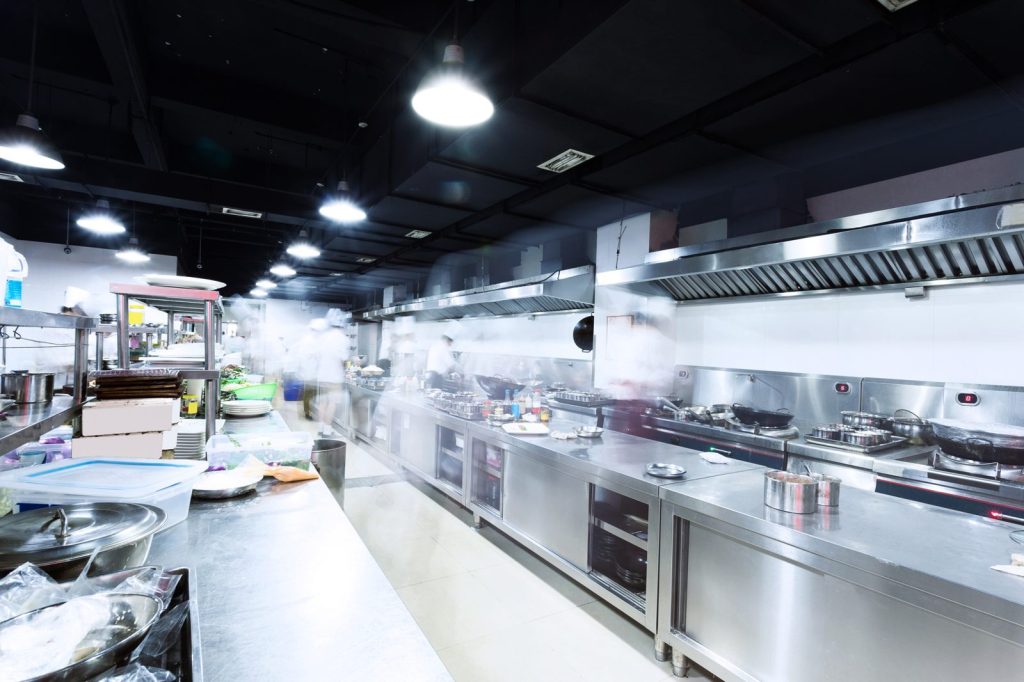
How much does a commissary kitchen cost? Most shared commercial kitchens charge by the hour, and a common range is about $15 to $45 an hour, with busy city kitchens running higher. If you rent a set monthly slot or a membership, you’ll often see $1,000 to $4,000 a month, plus extras like storage, a security deposit and a one-time application fee. Food truck plans that bundle parking and servicing are usually priced as one monthly package. Below you’ll find what drives the price, the fees to ask about, and a simple way to estimate your own number before you sign.
Good news first: a commissary is one of the most flexible costs in your whole food business. You can start small, rent by the hour, and scale up as sales grow. Let’s break it down.
What a commissary kitchen is (and why food trucks need one)
A commissary is a licensed commercial kitchen you rent instead of build. You prep food there, store ingredients, wash equipment and, if you run a truck, service your vehicle.
For a lot of food trucks it isn’t optional. Many local health departments require mobile units to operate from one. For example, the Porter County, Indiana health department says each mobile food unit or pushcart must operate from a commissary for supplies, servicing and cleaning each operating day, and if you don’t own the commissary you need a signed letter of approval or commissary agreement from the owner. Rules vary by state, county and city, so call your local health department before you shop around.
What a commissary typically gives you, per the Restaurant Warehouse’s commissary requirements guide:
- Prep space and shared cooking equipment
- Dry, refrigerated and frozen storage
- Warewashing (dish and equipment cleaning)
- Potable water filling, wastewater disposal and grease handling
- Overnight parking and electrical hookups for trucks, at some locations
- Early, late and weekend access
How much does a commissary kitchen cost per hour?
Hourly rental is the most common way to start. Here’s what published guides show:
- CKitchen’s rental guide puts commercial kitchen rental at $15 to $45 per hour, with real examples like prep space at $22 to $25 an hour and a catering kitchen at $35 an hour. A private New York kitchen in the same guide runs $65 an hour.
- UpMenu’s commercial kitchen cost guide gives a wider $15 to $75 per hour, with urban kitchens around $40 to $75 and suburban or rural kitchens as low as $15 to $30.
Two things move the hourly rate the most: location (city kitchens cost more) and commitment. CKitchen’s guide notes one kitchen charging $35 an hour on a standard plan and roughly $18 to $20 an hour with a half-year commitment. Short bookings often have a minimum of three or four hours, and some kitchens sell full shifts (one New York example: $195 for a seven-and-a-half-hour shift).
How much does a commissary kitchen cost per month?
If you need regular, guaranteed time, monthly plans are often easier to budget:
| Cost item | Typical range | Source |
|---|---|---|
| Monthly rental (shared facilities, storage, basic equipment) | $1,000 to $4,000 / month | UpMenu |
| Recurring membership fee | $50 to $200 / month | UpMenu |
| Dedicated dry or cold storage | $50 to $200 / month | UpMenu |
| Maintenance and utilities | $30 to $150 / month | UpMenu |
| Specialty equipment (mixers, steamers, large ovens) | $20 to $100 per use | UpMenu |
| Security deposit | $100 to $250 (some ask 1 to 2 months’ rent) | CKitchen, UpMenu |
| Application or membership fee (one time) | Around $250 | CKitchen |
Ranges are national and pulled from published guides. Your local price could land above or below them, so treat these as a starting point for your calls, not a quote.
Food truck commissary cost: parking and servicing packages
If you run a truck, you’re usually paying for more than kitchen hours. A food truck commissary package often bundles parking, water, wastewater and grease disposal, and storage into one monthly price.
Because each kitchen bundles different services, there isn’t a reliable national average for truck packages. The monthly rental range above ($1,000 to $4,000 from UpMenu) is a fair place to start your budget if you need regular kitchen time plus storage. The more hours, storage and services you bundle, the higher the monthly number.
You may be able to pay less by renting only what you need: overnight parking plus servicing, and a few prep hours a week. Ask each kitchen for both a full package price and an a-la-carte price.
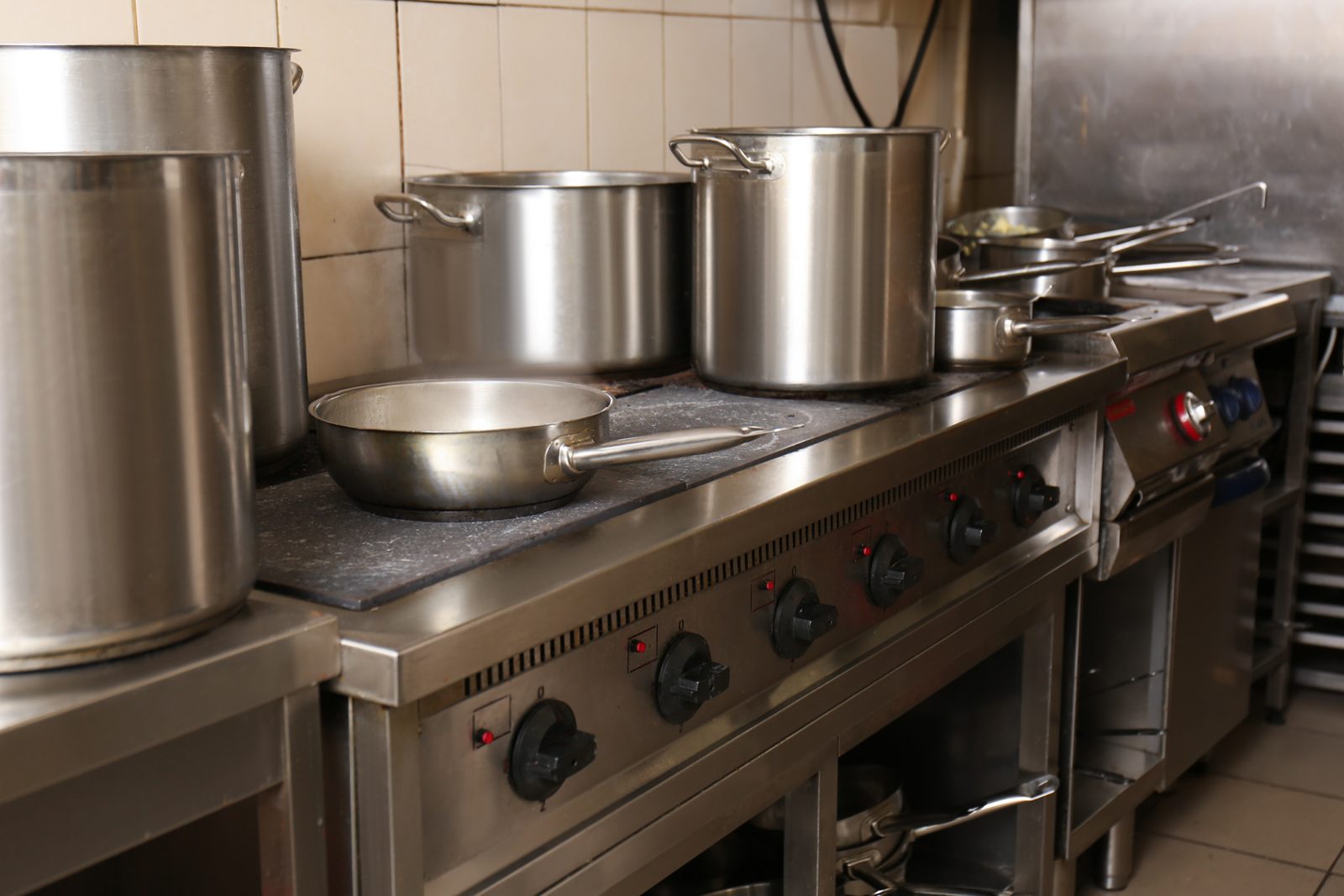
How to estimate your own commissary kitchen cost
You don’t need a perfect number. You need a realistic one you can plug into your budget. Here’s the quick math:
- Count your prep hours per week. Think about how long it takes to prep, cook ahead and clean for one service day, then multiply by your service days.
- Turn weekly hours into monthly hours. Multiply by 4.33 (the average number of weeks in a month).
- Multiply by a local hourly rate. Use a quote if you have one. If not, start with the middle of the ranges above.
- Add the monthly extras. Storage, membership, parking and servicing.
- Add the one-time costs separately. Deposit and application fee go in your startup budget, not your monthly costs.
Worked example (illustration only): say you prep 12 hours a week at $25 an hour. That’s 12 x 4.33 = about 52 hours a month, or roughly $1,300. Add $100 a month for cold storage and your monthly commissary line is about $1,400, before parking or servicing fees. Swap in your real quotes and your number will tighten up fast.
Want to skip the math? Our free Commissary Kitchen Finder lists shared-use kitchens by state and has a monthly cost estimator built in.
Want this done for you?
The Food Truck Launch Plan ($29) gives you a Startup Budget Calculator to drop your commissary number into, a Permits Roadmap + Permit Tracker so your commissary agreement and health permit happen in the right order, and a Food Cost Calculator, plus the rest of the 10-file plan: Start Here guide, business plan template (Word + PDF), launch checklist, business structure guide and insurance cheat sheet.
Hidden fees to ask about before you sign
The hourly rate is only part of the story. CKitchen recommends looking at the total cost, not just the hourly rate, because storage, deposits and membership fees are often billed separately. Use this list on every call:
- Minimum hours. Is there a monthly or per-booking minimum?
- Storage. Is it included or extra? Is it assigned, or first-come, first-served?
- Parking and servicing. Overnight truck parking, electric hookups, water fill, wastewater and grease disposal: included or a la carte?
- Deposit and application fee. How much, and is the deposit refundable?
- Cleaning. Do you clean, or is there a cleaning fee?
- Equipment. Which equipment is included, and what costs extra per use?
- Contract length. Month to month, or a 6 or 12-month term? Longer terms often lower the rate.
- Cancellation. What happens if you need to cancel a booked shift?
- Insurance. What liability coverage do they require you to carry, and do they need to be named on your policy?
- Health department paperwork. Will they sign a commissary agreement or letter of approval for your permit application?
Ways to lower your commissary kitchen cost
- Start hourly, then commit. Rent by the hour for your first month to learn how much time you really need, then negotiate a longer term for a lower rate.
- Book off-peak. Late-night and early-morning slots are often easier to get and sometimes cheaper. Ask.
- Batch your prep. Fewer, longer sessions can beat several short bookings with minimums.
- Rent only the storage you need. A shelf of dry storage costs less than a full reach-in.
- Ask about off-hours kitchens. Some restaurants, churches and community kitchens rent licensed space when they’re closed. Make sure your health department accepts it as your commissary first.
- Compare at least three kitchens. Prices vary a lot within the same city.
When to line up your commissary
Do it early. In many areas your health permit application asks for your commissary details, so the commissary often comes before the permit, which comes before your first service. Our food truck permits guide walks through that order, and the Food Truck Startup Cost Calculator helps you see how your commissary line fits next to the truck, equipment and permits.
Once your monthly commissary number is set, it’s worth checking it against your expected sales. Our breakdown of how much food trucks make is a good gut check.
Your commissary kitchen checklist
- Call your local health department and ask: do I need a commissary, and what paperwork do you need from it?
- Estimate weekly prep hours and storage needs.
- Shortlist three kitchens (start with the Commissary Kitchen Finder).
- Get a full package price and an a-la-carte price from each.
- Run the hidden-fees questions above.
- Tour the kitchen and ask to see its inspection history.
- Get the commissary agreement or approval letter signed.
- Add the monthly cost to your budget and the deposit to your startup costs.
FAQ
How much does a commissary kitchen cost per hour?
Published guides put most shared commercial kitchens at about $15 to $45 an hour, with some city kitchens charging $40 to $75 or more. Longer commitments usually lower the hourly rate.
How much does a food truck commissary cost per month?
It depends on how much you bundle. Monthly kitchen rentals often run $1,000 to $4,000. Truck packages that add parking and servicing are priced kitchen by kitchen, and renting only parking, servicing and a few prep hours can cost less. Get quotes locally.
Do food trucks have to use a commissary?
In many places, yes. Many health departments require mobile food units to operate from a commissary or approved servicing area and to show a signed commissary agreement. Rules vary by state and county, so check with your local health department.
What fees come on top of the hourly rate?
Common extras are storage, a security deposit, a one-time application or membership fee, specialty equipment use, cleaning, and parking and servicing for trucks. Ask for the total monthly cost, not just the hourly rate.
Is it cheaper to rent a commissary or build your own kitchen?
For most new food trucks and caterers, renting is the lower-cost way to start because you skip the build-out and equipment purchase. Building your own can make sense later, once your volume is steady and predictable.
Your next step
Put your commissary cost into a real plan this week. The $29 Food Truck Launch Plan gives you 10 files: Start Here guide, business plan template (Word + PDF), launch checklist, business structure guide, permits roadmap + permit tracker, insurance cheat sheet, Startup Budget Calculator and Food Cost Calculator. 30-day money-back guarantee.
