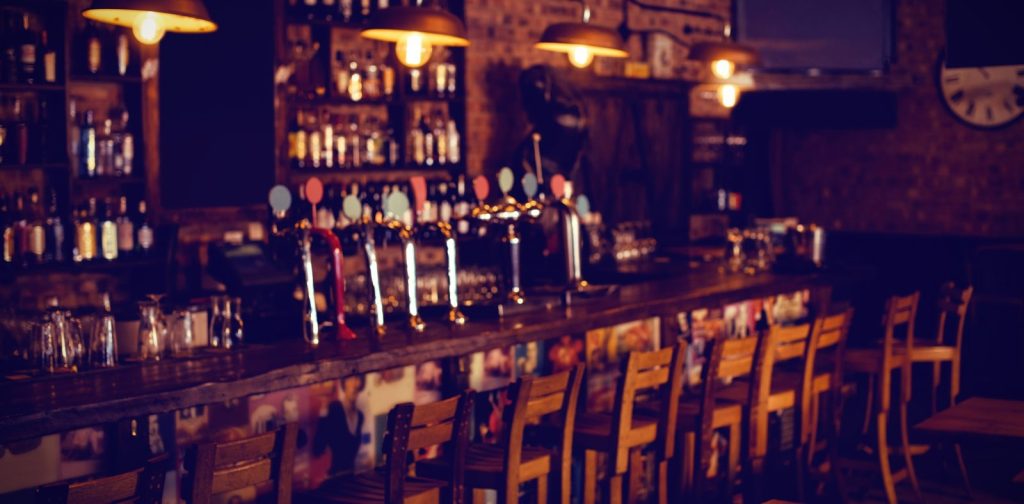
How do you open a small bar? Pick a simple concept, build a realistic budget, write a short business plan, form your business, and start your liquor license application early, since it’s usually the slowest step. Then lock in a small space (a former bar is the cheapest place to start), get your other permits and insurance, build a tight drink menu, hire a small team and open with a soft launch. A small neighborhood bar commonly starts around $174,000, according to Homebase’s bar startup cost guide, but taking over an existing bar can bring that down a lot.
This guide walks you through every step in order, with the questions to answer at each one. Rules for alcohol vary a lot by state and city, so use this as your roadmap and check the details with your local agencies as you go.
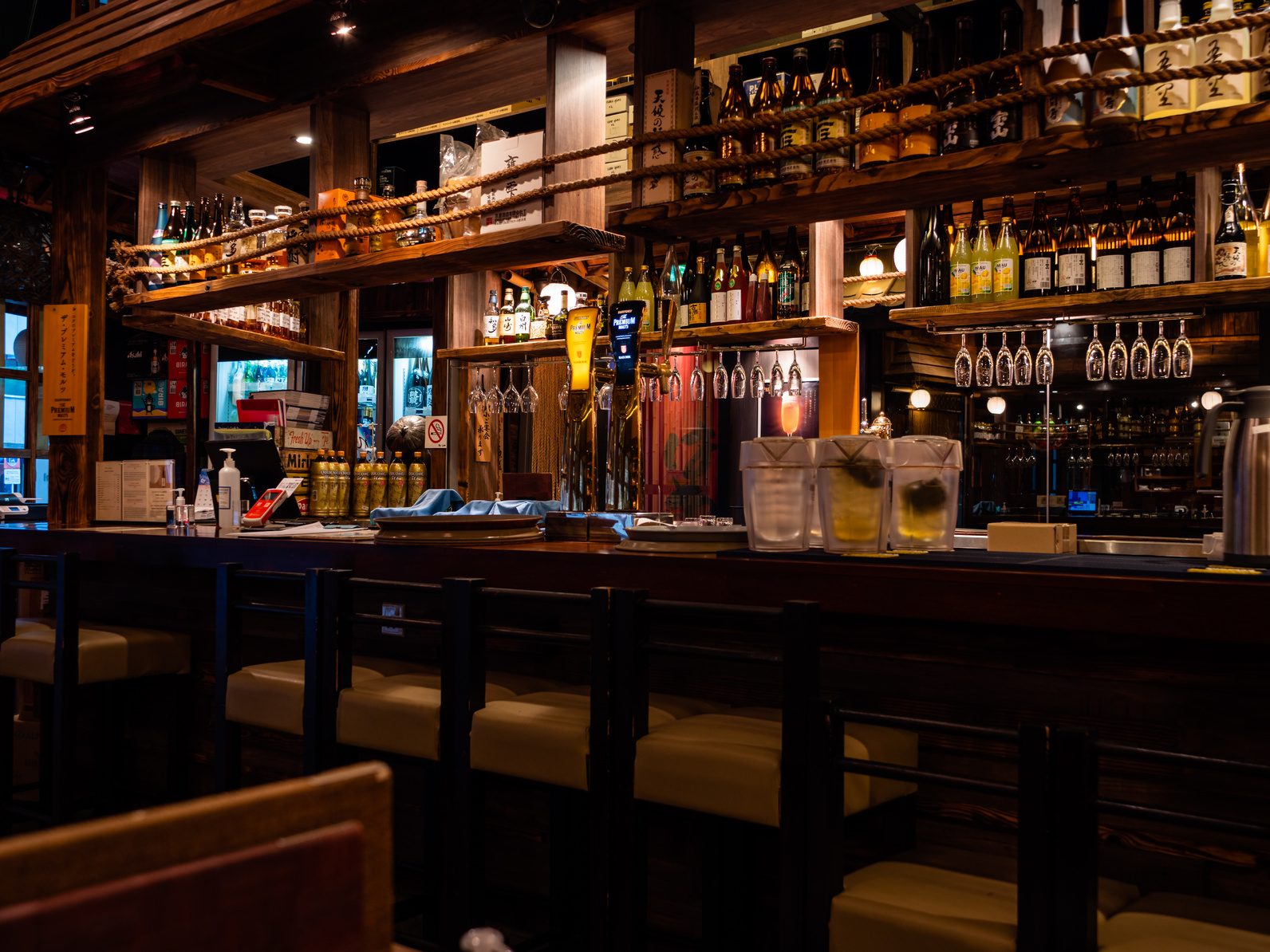
How to open a small bar in 10 steps
- Pick your small bar concept
- Run the numbers before you fall in love with a space
- Write a simple business plan
- Choose a business structure and register
- Start your liquor license application early
- Find a small space (ideally a former bar)
- Get your other permits and insurance
- Build a tight drink menu and price it
- Hire a small team
- Set up your POS, soft open and market locally
Here’s what each step looks like for a small bar.
Step 1: Pick your small bar concept
Small bars work best when they’re easy to explain in one sentence. “The neighborhood spot with great local beer.” “A 30-seat cocktail bar with a short menu.” “A wine bar with snacks.” Your concept decides almost everything that comes next: the license you apply for, the equipment you need, the space you look for and how much you spend.
A few common small bar formats:
- Neighborhood bar: beer, a short spirits list, a few easy cocktails, regulars who come in a couple of times a week.
- Beer and wine bar: no spirits, simpler back bar. In many states this means a different (and often cheaper) license. Homebase notes a beer and wine license can save you $5,000 to $50,000 compared with a full liquor license, depending on your state.
- Small cocktail bar: fewer seats, higher price per drink, more prep and training.
Pick one lane to start. You can add things later once you know what your regulars actually order.
Step 2: Run the numbers before you fall in love with a space
Budget first, space second. It’s easy to sign a lease on a cool room and then find out the build-out eats your whole budget. Here are the ranges Homebase gives for a bar, plus a few small-bar specific numbers from the same guide:
| Cost | Typical range (Homebase) |
|---|---|
| Small neighborhood bar, total | Starts around $174,000 |
| Taking over a turnkey bar | Starts around $25,000 to $50,000 |
| Cosmetic update of a former bar | $5,000 to $10,000 |
| Equipment and furniture | $75,000 to $150,000 |
| 4-tap draft system | $3,000 to $6,000 |
| Opening inventory | $10,000 to $15,000 |
| Insurance (per year) | $5,000 to $15,000 |
| Working capital | $50,000 to $100,000 |
Homebase also suggests a few ways small bars keep costs down: a 1,000 to 1,500 square foot space instead of 3,000, and starting with about 80 core bottles (SKUs) instead of 200. Those two choices alone shrink your rent, your build-out and the cash sitting on your shelves.
Want the full breakdown? Our guide to how much it costs to open a bar covers every cost bucket, monthly operating costs and ways to lower the total.
Step 3: Write a simple business plan
Your business plan doesn’t need to be 40 pages. It needs to answer the questions a landlord, a lender or a partner will ask:
- Who is your bar for, and why will they come back every week?
- What will you serve, and what will a typical tab look like?
- How much do you need to open, and where is that money coming from?
- What are your monthly costs, and how many drinks a week do you need to sell to cover them?
- Who’s running the bar day to day?
Square’s guide to bar startup costs puts it simply: write a plan with a realistic budget, then stick to it. Even a few pages forces you to check whether the numbers work before you sign anything.
Step 4: Choose a business structure and register
Many small bar owners form an LLC or a corporation so the business is separate from their personal finances. Which one fits you depends on your situation, so talk to an accountant or attorney before you file. The SBA’s licenses and permits guide is a good starting point for what to register at the federal, state and local level. It also notes that states regulate a broader range of activities than the federal government, so your Secretary of State’s website is where to look for state requirements.
Once you’re registered, get your EIN, open a business bank account and keep every startup receipt in one place. Future you will be grateful at tax time.
Step 5: Start your liquor license application early
This is the step that sets your opening date. Square notes that approval can take anywhere from a few weeks to several months, and some areas cap the number of licenses, so you may have to wait for one to open up or buy one from an existing holder.
Know which license you need. License types vary by state. California is a good example of how much your concept matters. Its ABC license types include a Type 42 (beer and wine for a bar or tavern, no spirits, no food required) and a Type 48 (beer, wine and spirits for a bar or nightclub, no food required). Both of those keep minors out. A restaurant with a full bar would usually look at a different license that requires real meal service.
Know the cost range for your state. Homebase reports liquor license costs that swing from about $1,000 to $12,000 in Texas to $12,000 to $400,000 in California and $50,000 to $500,000 in Pennsylvania. Square describes the general range as a few hundred to tens of thousands of dollars. Check your state alcohol agency for current fees.
Don’t forget the federal step. The TTB says bars count as retail liquor dealers and must register with Form 5630.5d (or online through Permits Online) before they start doing business, for every location.
Have your answers ready. Square suggests your application cover your bar type, your hours, whether you’ll make your own alcohol and whether guests can bring their own. Many applications also ask about your space, so it helps to have a lease or letter of intent lined up.
Want this done for you?
The Bar Launch Plan ($29) gives you a Permits & Licensing Roadmap with a Permit Tracker, a business plan template (Word + PDF) and a Startup Budget Calculator, plus the rest of the 10-file plan: Start Here guide, launch checklist, business structure guide, insurance cheat sheet and Pour Cost Calculator.
Step 6: Find a small space (ideally a former bar)
For a small bar, the best space is often one that was already a bar. The plumbing, the bar top, the coolers and sometimes the license are already there. Homebase puts a cosmetic refresh of a former bar at $5,000 to $10,000, while a major renovation can run into six figures. Square also points out that taking over an established bar can lower costs and speed up your opening.
When you tour a space, look at:
- Foot traffic and neighbors: who walks by at 6pm and at 10pm?
- Size: does it fit the 1,000 to 1,500 square foot range you budgeted for?
- What’s already there: bar top, walk-in or reach-in coolers, draft lines, restrooms, ventilation.
- Zoning and license history: has alcohol been served here before, and was there ever a problem?
- Recent renovations: Square suggests checking how recently the space was updated.
Before you sign, ask the landlord how long you’ll have before rent starts. Your license can take months, and paying rent on a bar you can’t open yet adds up fast.
Step 7: Get your other permits and insurance
The liquor license gets the attention, but it’s not the only approval you need. Depending on your city and state, expect some mix of:
- General business license: Square says this can cost $25 to several hundred dollars.
- Building, occupancy and fire approvals for your space.
- Health department permit if you serve food (even snacks, in some places).
- Entertainment or music permits if you plan live music or events. Square suggests starting these early too.
- Signage permit in many cities.
For insurance, Homebase breaks a small bar’s coverage into general liability ($2,000 to $5,000 a year), liquor liability ($2,000 to $8,000), property ($1,000 to $3,000) and workers’ comp ($2,000 to $5,000). Get quotes from an agent who works with bars, since liquor liability requirements vary by state.
Step 8: Build a tight drink menu and price it
A short menu is a small bar’s best friend. Fewer bottles means less cash tied up on the shelf, faster service and easier training. Homebase suggests starting around 80 core SKUs. A simple way to build yours:
- Pick your draft and canned beers (local favorites plus a couple of easy sellers).
- Choose one solid well spirit per category, then a few call and premium bottles.
- Write 6 to 10 cocktails that share ingredients, so nothing sits unused.
- Add a couple of non-alcoholic options.
Then price every drink from its pour cost: what the liquor in the glass costs you, divided by the menu price. Work it out drink by drink, using your real bottle costs from your distributor. That’s how you know each drink actually makes money before you print the menu. Our free pour cost calculator does the math for you and suggests a menu price for each drink. For the full walkthrough with worked examples, see how to price cocktails.
Step 9: Hire a small team
A small bar might open with you plus two to four bartenders. Decide early whether you’ll run the bar yourself or hire a manager, and set your pay rates before you start interviewing, which Square recommends keeping consistent across roles.
For a reference point on wages, the Bureau of Labor Statistics reports a median bartender pay of $16.51 an hour (May 2025). Tip rules and minimum wage vary by state, so check yours before you set pay.
Some states also have responsible beverage service training rules. California, for example, applies Responsible Beverage Service requirements to its bar licenses. Ask your state alcohol agency what your staff needs before opening night.
Step 10: Set up your POS, soft open and market locally
POS: Square recommends a system that takes cash, chip and tap cards and mobile wallets, so you never lose a sale. A bar-friendly POS should also handle tabs, split checks and tips.
Soft opening: invite friends, family and neighbors for a night or two before your official opening. Run the full menu, time your service and fix what breaks.
Local marketing: Square suggests building a social media presence and asking guests for online reviews. For a small bar, your first marketing is the neighborhood: introduce yourself to nearby businesses, post your opening date on the window and give people a reason to come back on a slow night.
Small bar opening checklist
Use this to keep yourself on track. Check items off as you go:
- ☐ Concept written in one sentence
- ☐ Startup budget with working capital included
- ☐ Short business plan
- ☐ LLC or corporation formed, EIN, business bank account
- ☐ Right liquor license type identified and application filed
- ☐ TTB dealer registration (Form 5630.5d) filed
- ☐ Lease signed (with rent timing that matches your license timeline)
- ☐ Business license, building, fire and any health or entertainment permits
- ☐ Insurance quotes, including liquor liability
- ☐ Equipment and draft system installed and tested
- ☐ Drink menu built and priced from pour cost
- ☐ Team hired and trained, including any required alcohol service training
- ☐ POS set up for tabs, splits and tips
- ☐ Soft opening night scheduled
Thinking about serving real food too? Our guide to opening a restaurant with no experience covers the kitchen side, and our free startup tools can help you rough out the numbers.
Get the free Bar Starter Kit
Not ready to buy anything yet? Grab the free Bar Starter Kit: an opening roadmap, a startup budget worksheet and a pour cost cheat sheet, sent straight to your inbox.
Frequently asked questions
How much does it cost to open a small bar?
Homebase says a small neighborhood bar starts around $174,000, while taking over a turnkey bar can start around $25,000 to $50,000. Your space, your liquor license and how much working capital you keep move the number the most.
How long does it take to open a small bar?
The liquor license usually sets the timeline. Square notes approval can take a few weeks to several months, and longer in areas that cap licenses. Start your application as early as you can.
Do I need a full liquor license to open a small bar?
Not always. Many states offer a beer and wine license, which Homebase says can save $5,000 to $50,000 compared with a full liquor license. In California, for example, a Type 42 covers beer and wine for a bar, while a Type 48 adds spirits.
Is it cheaper to buy an existing bar?
Often, yes. A space that was already a bar may come with the bar top, coolers and draft lines. Homebase puts a cosmetic refresh of a former bar at $5,000 to $10,000, and Square notes taking over an established bar can lower costs and speed up opening.
What size should a small bar be?
Homebase suggests starting with 1,000 to 1,500 square feet instead of 3,000 to keep rent and build-out costs down.
Your next step
Turn these 10 steps into your plan this week. The $29 Bar Launch Plan gives you 10 files: Start Here guide, business plan template (Word + PDF), launch checklist, business structure guide, permits & licensing roadmap + permit tracker, insurance cheat sheet, Startup Budget Calculator and Pour Cost Calculator. 30-day money-back guarantee.
