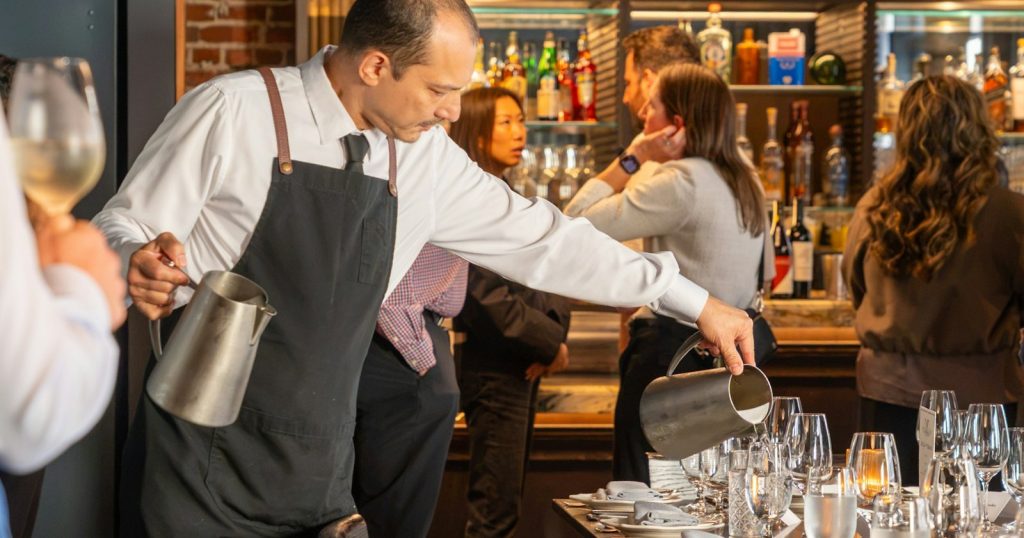
What is a restaurant soft opening? A restaurant soft opening is a practice run before your grand opening: a short stretch of invite-only or limited-hours service where real guests eat real food while you test your kitchen, your staff, your POS and your timing. Most run from a few days to about two weeks, usually with a smaller menu, a discount or free food, and a plan for collecting feedback. Then you fix what broke and open for real, typically about a week later.
That’s the short version. The longer version is that a restaurant soft opening only helps if you plan it like a test, not a party. You need the right guests, the right menu, the right price and a way to turn every mistake into a fix before opening day. This guide walks you through exactly how to do that, with a planning timeline, an invite list, a feedback card you can copy and a checklist at the end.
Why a restaurant soft opening is worth it
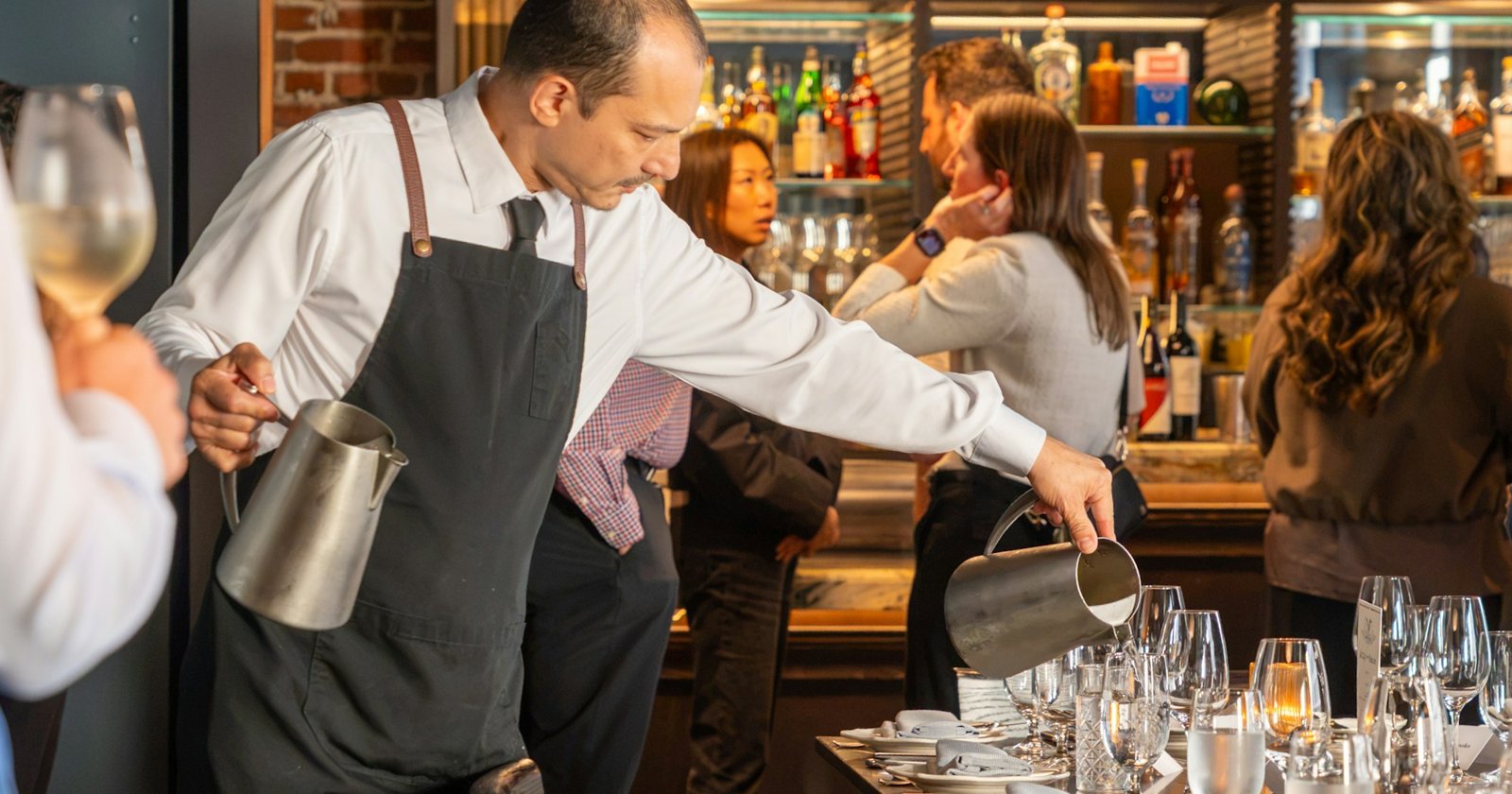
Your team has trained on role-play. Your kitchen has cooked for itself. Nobody has done it with a full dining room yet. A soft opening is where that changes, on your terms, with forgiving guests.
The 7shifts guide to restaurant soft openings lists the things a soft opening actually tests:
- Ticket timing: do orders back up, or does food sit in the window?
- Service flow: can servers move through the floor and turn tables at the pace you planned?
- Technology: does the POS handle modifiers, and do tickets print at the right stations?
- Front and back of house communication: do handoffs between servers and cooks hold up?
- Your staff under pressure: how do people handle real guests, not practice runs?
It also tells you which dishes people order and finish, which helps you set your prep and ordering before the big crowd shows up. Unilever Food Solutions points out that a friends-and-family preview shows you which items sell so you can order and prep to match.
Pick your soft opening format
There’s no single right way to soft open. Here are the formats restaurants use most, and what each is good at.
| Format | How it works and when to use it |
|---|---|
| Friends and family night | A closed, invite-only service for people you know. Best for: your very first service, when you expect the most mistakes. |
| Neighborhood preview | Invite nearby residents and business owners. Best for: building local regulars and relationships before day one. |
| Limited menu | Serve part of the menu, often signature dishes. Best for: taking pressure off a new kitchen. |
| Limited hours or dayparts | Open for one meal period at a time, then add more. Best for: restaurants that serve breakfast, lunch and dinner. |
| Quiet open at full price | Open to the public a few days early without announcing it. Best for: teams that already feel ready and want a realistic test. |
Unilever Food Solutions gives two useful examples: a “sneak peek” menu with half of your full menu, and limited hours such as breakfast and lunch for four days, then dinner on the fifth. Eat App’s soft opening guide suggests testing one daypart per day, like brunch one day and dinner the next.
A lot of restaurants stack these. A friends-and-family night first, then a neighborhood preview, then a couple of quiet public days. Each round is a little bigger and a little more realistic.
How long should a restaurant soft opening last?
Shorter than you think, and longer than one night. 7shifts says soft openings “can last anywhere from one night to several weeks,” and that most run from a few days to two weeks. Eat App says the same: a few days or weeks.
One night catches the obvious problems. Several services let you fix something and then check whether the fix worked. That second part is where the value is.
For the gap between your last soft opening service and your grand opening, 7shifts calls a week typical and says to leave at least a few days. Eat App suggests a few days to a week. That buffer is your time to retrain, tweak recipes, reprogram the POS and restock.
When to start? 7shifts suggests a Tuesday or Wednesday, since quieter nights give a new team room to learn.
Your restaurant soft opening timeline
Here’s a simple plan that works backward from your grand opening. Adjust it to your concept and how ready your team is.
3 to 4 weeks out
- Pick your format and your dates.
- Confirm with your health department what has to be done before you serve the public. Plan on having your inspections and food permit finished before any soft opening, even a free one. Rules vary by city and county, so ask.
- Decide on pricing (free, discounted or full price) and set a budget for comped food.
- Start your invite list.
2 weeks out
- Lock your soft opening menu and cost every plate.
- Send invites with set time slots.
- Collect staff availability and build the schedule.
- Print your feedback cards or set up a short online form.
1 week out
- Run a full menu tasting with your team.
- Test the POS end to end: modifiers, splits, comps, voids, printing to every station.
- Do a walk-through of the floor plan with servers.
- Place your food order based on expected covers.
Soft opening days
- Pre-shift meeting before every service.
- Run service, collect feedback, take notes.
- Debrief after every service and pick the fixes for tomorrow.
Between soft opening and grand opening
- Make the bigger fixes: recipes, station setup, menu changes, staffing.
- Restock and reorder.
- Announce the grand opening.
If you’re still lining up the bigger pieces (space, permits, budget), read how to open a restaurant with no experience first. It covers the steps that come before this one.
Want this done for you?
The Restaurant Launch Plan ($29) gives you a launch checklist that keeps every pre-opening task in order, a Plate Cost Calculator to price your soft opening menu and comps, and a Startup Budget Calculator, plus the rest of the 10-file plan: Start Here guide, business plan template (Word + PDF), business structure guide, permits roadmap + permit tracker and insurance cheat sheet.
Who to invite to your soft opening
Pick guests who will actually tell you the truth, and who reflect the customers you want long term. 7shifts and Eat App both suggest a mix like this:
- Friends and family of your staff. Great for morale and a forgiving first night.
- Local business owners and their staff. They’re future regulars, and they’ll send people your way. Eat App suggests introducing yourself in person.
- Neighbors. Unilever Food Solutions notes that a neighborhood preview builds a local customer base and relationships with nearby restaurants, which helps when you run short on an ingredient on a busy night.
- Industry contacts. Other restaurant people notice the small stuff.
- A few local influencers or press, later in the run. Eat App points out critics may be less forgiving of small mistakes, so bring them in once you’ve worked out the kinks.
How many? There’s no magic number. 7shifts recommends starting with a smaller guest count for the first service and scaling up as your crew gets reps. Use reservations or set time slots (Eat App’s tip) so you don’t get every table seated at 7:00. Staggered seating is the easiest way to keep a new kitchen from drowning.
Copy-and-paste invite
Hey! We’re opening [Restaurant Name] on [grand opening date], and before that we’re doing a few practice nights to get everything right. We’d love to have you on [date] at [time]. Dinner is [on us / 50% off], and all we ask is honest feedback. Can you make it? Reply by [date] so we can save your table.
What to serve and what to charge
The menu
You have two good options. Serve a shorter menu (signature dishes plus a few items from each section) to make the kitchen’s first nights easier, or serve the full menu if you’ll offer everything on opening day and want to test it all. 7shifts frames it the same way: signature items first, or the full menu if that’s what day one looks like.
Whichever you pick, cost every plate before you serve it. Even comped food is real money. Our Restaurant Startup Cost Calculator helps you build pre-opening costs like this into your budget.
The price
| Pricing | Upside | Watch out for |
|---|---|---|
| Free | Easy to fill seats, guests feel like VIPs | Guests are more patient, so feedback is softer |
| Discounted | The most common middle ground | Make sure your POS handles the discount cleanly |
| Full price | The most realistic test | Guests expect a polished experience |
7shifts calls a discount the most common approach, “typically 25-50% off.” Eat App mentions another popular setup: discount the food heavily and charge full price for drinks. It also warns that when everything is free, “you’re less likely to receive constructive criticism.”
A simple way to decide: go free or deep discount for the first friends-and-family night, then move to a smaller discount for the public days so the test gets more realistic as you go.
Staffing your soft opening
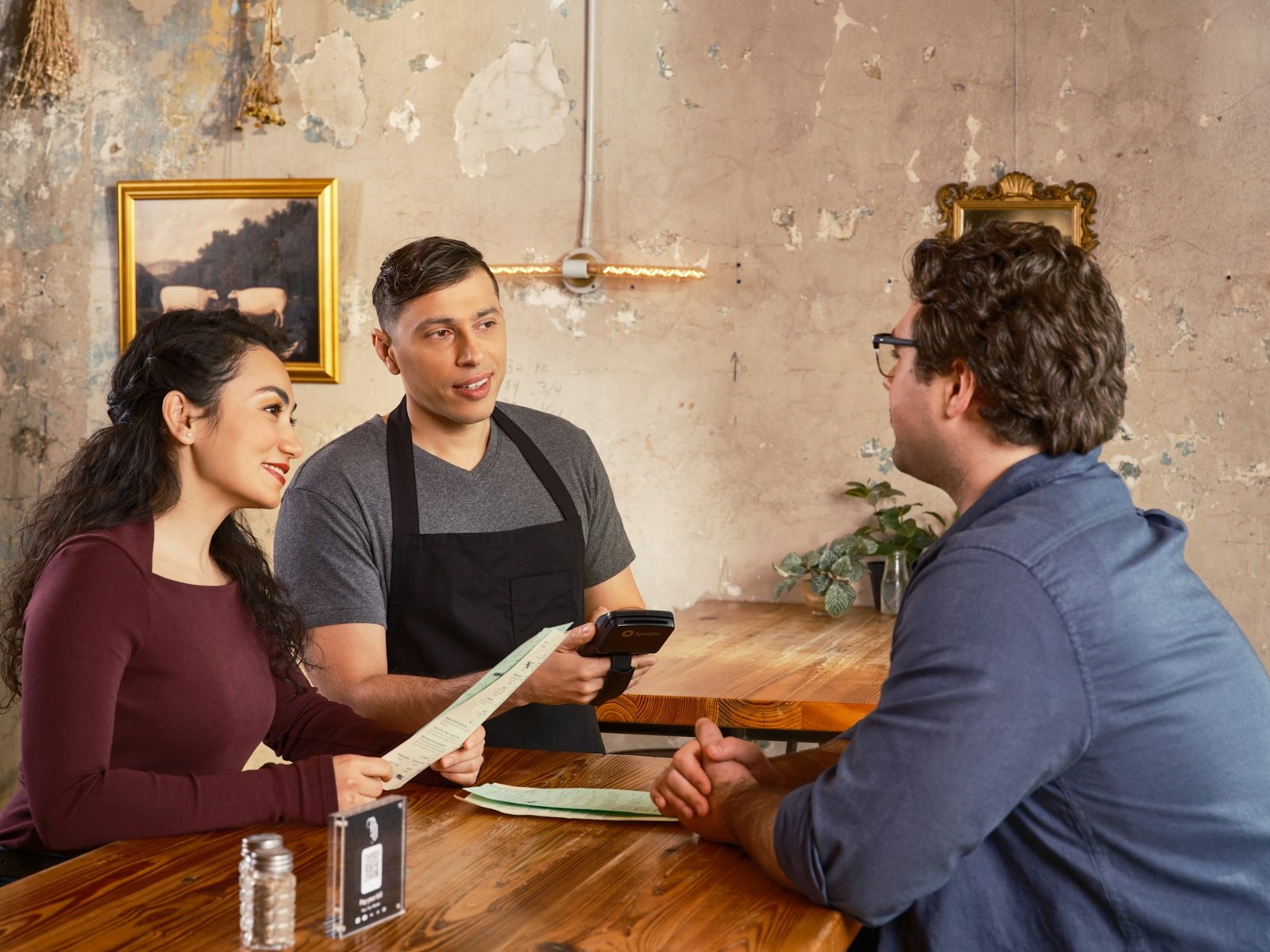
This is where most of the learning happens, so set your team up to win.
- Post schedules early. 7shifts says at least a few days in advance, after collecting everyone’s availability.
- Overschedule. It’s easier to send someone home than to run short. Keep a small on-call group for the first service or two.
- Hold a pre-shift meeting every time. Tell the team the goal is to find problems, not to be perfect. People hide mistakes when they think they’re being graded.
- Train on the walk-in moment. Eat App suggests making sure everyone knows how to greet people who walk in outside service hours. Have a friendly line ready: “We’re doing private practice nights this week, but we open on [date]. Can I give you a menu?”
- Ask the staff for feedback too. The line cook knows exactly which station got buried.
How to collect feedback that’s actually useful
“How was everything?” gets you “great, thanks!” every time. You need specific questions.
Comment cards (keep them short)
7shifts recommends three to five questions max. Here’s a card you can copy:
- How long did you wait for your food after ordering? (Too long / About right / Fast)
- What was your favorite dish, and what would you change?
- Did the prices feel fair for what you got? (Yes / A little high / Too high)
- Was there anything about the service or the space that felt off?
- Can we email you when we open? (Email: ______)
That last line matters. Eat App suggests collecting email sign-ups after the event and offering a discount for a return visit. Your soft opening guests are your first list of regulars.
Table check-ins
Have a manager ask one pointed question per table. 7shifts gives the example of asking how the timing between courses felt instead of a general “how was everything?”
The post-service debrief
Right after service, get the team together for 10 minutes. What went well? What broke? What’s the fix? 7shifts says to pick one or two fixes from each debrief and brief the team on them before the next service. Don’t try to fix 20 things overnight. Fix the two that matter most and test them tomorrow.
Common soft opening mistakes
- Treating it like a party. The point is to break things on purpose. If nothing went wrong, you didn’t test hard enough.
- Seating everyone at once. Use time slots. Stagger the room.
- Only inviting your biggest fans. Mix in people who will tell you the truth.
- Running one night and calling it done. You need at least a second service to see if your fixes worked.
- No buffer before the grand opening. Leave days, not hours, to make changes.
- Forgetting to capture contact info. Every guest is a future regular. Get their email.
- Not budgeting for it. Eat App notes a soft opening can be costly, especially with free food. Put comped meals, extra labor and extra inventory in your startup budget.
Restaurant soft opening checklist
- ☐ Health inspection and food permit done (confirm locally)
- ☐ Format picked: friends and family, neighborhood, limited menu or hours
- ☐ Dates set, starting on a quieter weeknight
- ☐ Buffer of a few days to a week before the grand opening
- ☐ Pricing decided and comp budget set
- ☐ Soft opening menu locked and every plate costed
- ☐ Invite list built with a mix of friendly and honest guests
- ☐ Invites sent with time slots
- ☐ Staff availability collected and schedule posted
- ☐ On-call staff lined up for the first services
- ☐ POS tested: modifiers, discounts, comps, printing
- ☐ Feedback cards printed (3 to 5 questions)
- ☐ Email sign-up ready
- ☐ Pre-shift meeting before every service
- ☐ Debrief after every service, 1 or 2 fixes picked
- ☐ Food reordered and grand opening announced
Opening in a smaller market? Our guide on how to open a restaurant in a small town covers who to invite when everyone knows everyone. And if you’re still building the budget, see how much it costs to open a small restaurant.
Not ready to buy anything? Grab the free Restaurant Starter Kit: an opening roadmap, a startup budget worksheet and a plate cost cheat sheet, sent straight to your inbox.
Frequently asked questions
What is a soft opening for a restaurant?
It’s a practice period before your grand opening where you serve a limited group of guests, often with a smaller menu, shorter hours, or discounted or free food. The goal is to test your kitchen, service, POS and timing with real guests and fix problems before you open to everyone.
How long should a restaurant soft opening be?
Most run from a few days to about two weeks. One night catches obvious problems, but several services let you make fixes and check that they worked. Leave a few days to a week between the last soft opening service and your grand opening.
Should a soft opening be free?
It can be, but free food tends to get softer feedback. A discount is the most common approach, with 25 to 50 percent off a typical range. Some restaurants discount food and charge full price for drinks. Many go free for friends and family, then discount for public days.
Who should you invite to a restaurant soft opening?
Friends and family of your staff, local business owners, neighbors and industry contacts. Add a few local influencers or press later in the run, once you’ve worked out the early mistakes. Use time slots so the kitchen isn’t hit all at once.
Do you need a health permit for a soft opening?
Plan on it. A soft opening means serving food to people outside your team, so expect to have your inspections and food permit done first, even if the food is free. Requirements vary by city and county, so confirm with your local health department.
Your next step
Get your whole opening plan on paper, soft opening included. The $29 Restaurant Launch Plan gives you 10 files: Start Here guide, business plan template (Word + PDF), launch checklist, business structure guide, permits roadmap + permit tracker, insurance cheat sheet, Startup Budget Calculator and Plate Cost Calculator. 30-day money-back guarantee.
